Why Are Cherry Blossoms Important in Japanese Culture?
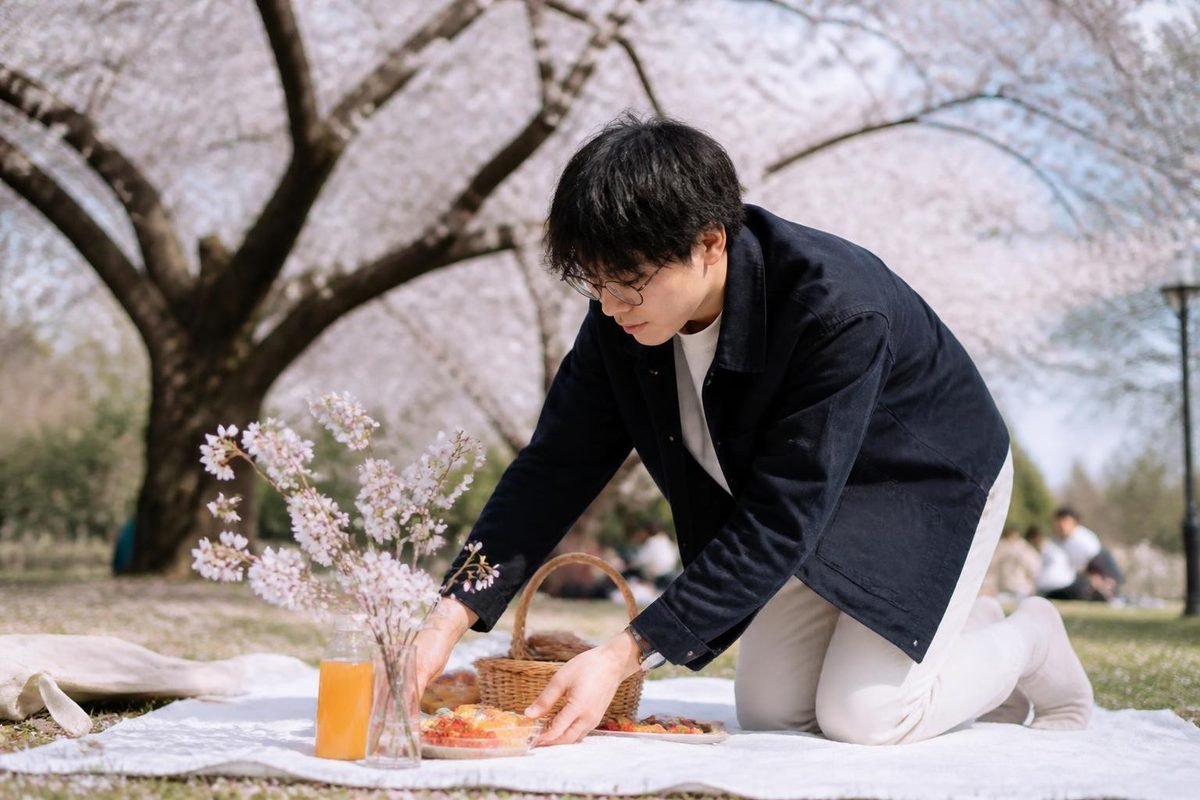
Cherry blossoms are important in Japanese culture because their brief bloom marks the arrival of spring and brings people together to appreciate it. Their beauty has also inspired poetry and art for centuries, often suggesting how precious and temporary life can be.
A flower that marks the season
Cherry trees bloom at different times across Japan, generally beginning in the warmer south and moving north as temperatures rise. The timing varies with the weather, so people pay close attention to forecasts and local reports.
For many, the first blossoms are a welcome sign after winter. Parks, riversides, school grounds, and neighborhood streets can all become places to notice the change. The flowers do not last long, and wind or rain can bring the petals down even sooner.
The bloom also arrives around the start of the school and business year in April. This has helped make cherry blossoms a familiar backdrop for beginnings, including school entrance ceremonies and the first days of work.
Gathering beneath the trees
Hanami, or flower viewing, is the practice of enjoying blossoms, especially those of cherry trees. People may spread out picnic sheets beneath the branches, share food with family or friends, or simply take a walk through a park.
Hanami has a long history in Japan. Flower viewing was enjoyed at the imperial court, and over time it became a custom shared more widely. Today, a gathering might be lively and social, while another person might prefer a quiet look at a single tree.
Some places are also known for viewing blossoms after dark, when the trees are illuminated. This is called yozakura, meaning night cherry blossoms.
Beauty that does not stay
Cherry blossoms are often associated with the fleeting nature of life. Their petals can fall while the flowers still look fresh, making the bloom a vivid reminder that beautiful moments pass.
This way of seeing connects with the Japanese idea of mono no aware, a sensitivity to the passing of things. It does not mean that every person looking at a cherry tree is thinking about mortality. For some, the pleasure is simply in the color, the weather, or the company.
The flowers can hold several meanings at once:
- The return of spring and warmer days
- A fresh start at school or work
- Time shared with family, friends, or colleagues
- An awareness that a beautiful moment will pass
A presence in art and daily life
Cherry blossoms appear in Japanese poetry, paintings, textiles, and ceramics. An image of a branch or falling petals can suggest a season without needing to show the whole landscape. The same motif appears on everyday objects as well as works made for special occasions.
The flowers also find their way into seasonal foods and drinks. Salt preserved blossoms may be used in sweets or steeped in hot water, where they open in the cup. Their presence makes the season something people can taste as well as see.
A cherry blossom can be a grand cultural symbol or a small pleasure on an ordinary walk. Its meaning is shaped by both the stories people have carried forward and the moments they spend beneath the trees.
A good companion read: flowers at home